

Carbon additive inquiries should be converted into clear CPC, GPC or petroleum coke specification questions. Buyers usually need to review fixed carbon, sulfur, ash, moisture, volatile matter, nitrogen, particle size, furnace type, application, packing and destination.
Note
Carbon additive is an application expression. Public product pages should still use CPC, GPC and petroleum coke names, while insights explain how fixed carbon, sulfur, ash, volatile matter, moisture and particle size affect quotation and use.
Product and supply reference
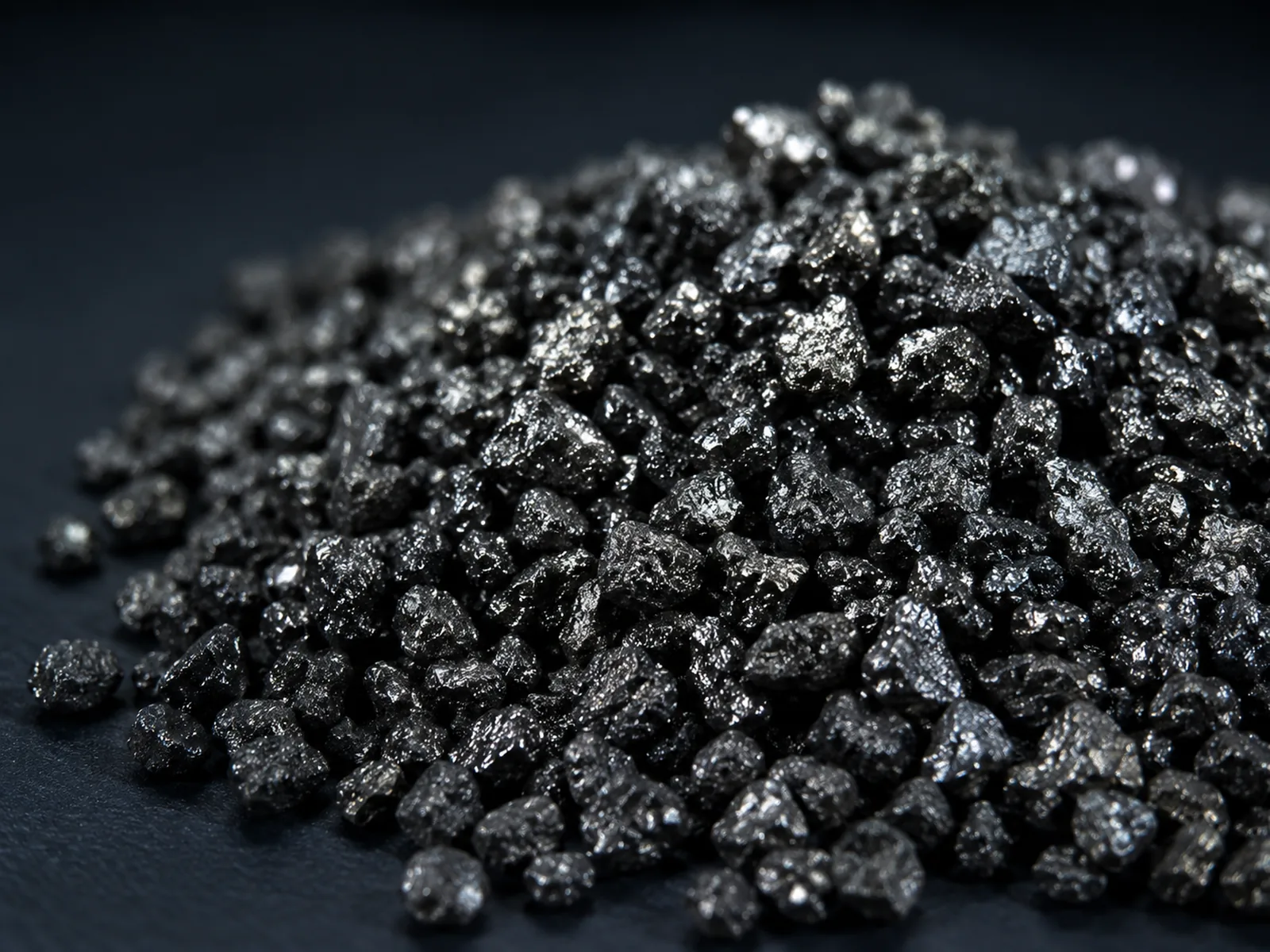
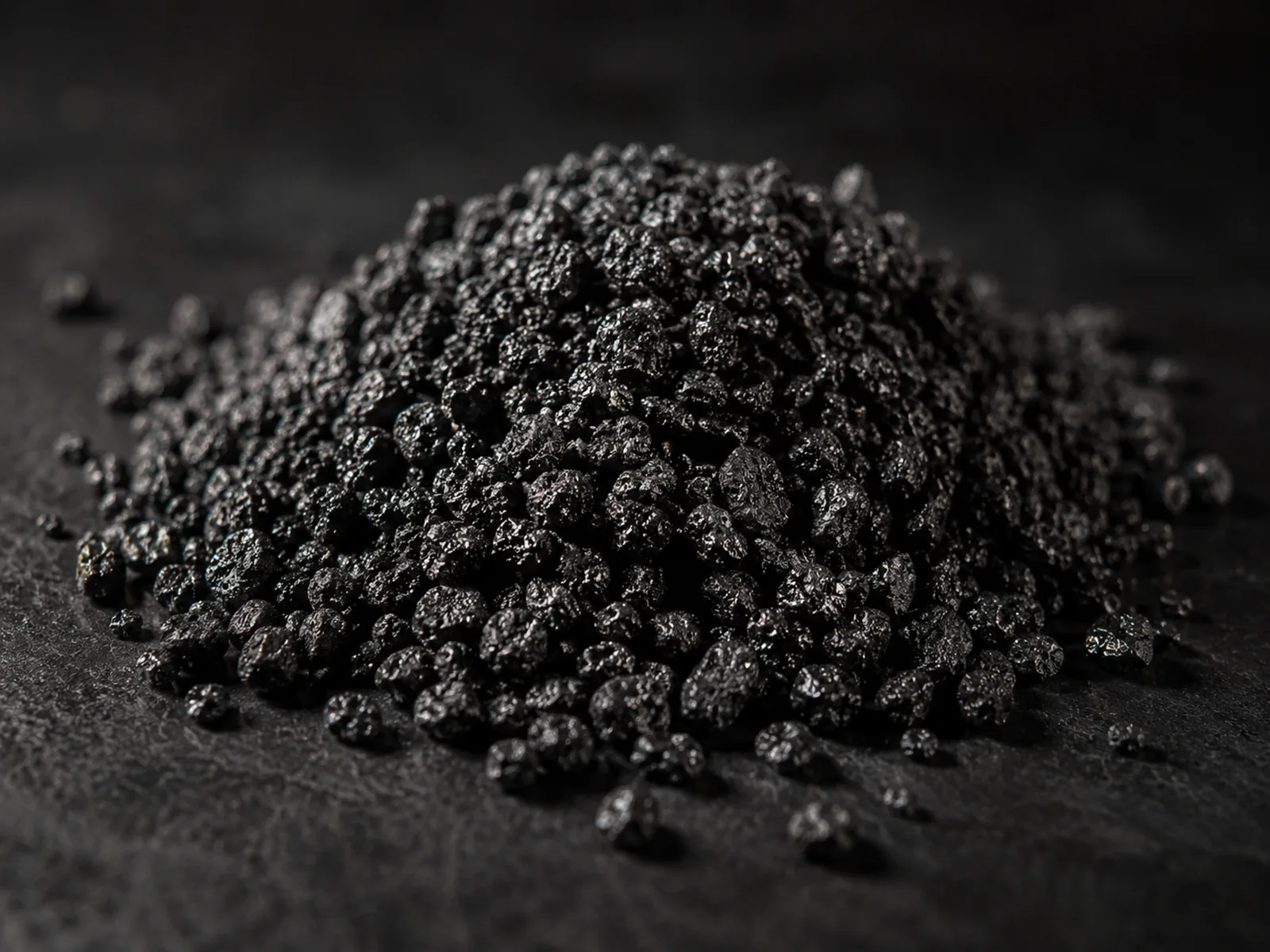
Common Carbon Additive Indexes
| Index | Meaning | Purchasing impact |
|---|---|---|
| Fixed carbon | Useful carbon content; common GPC discussion may be 98-98.5% or 98.5% min | Affects carbon addition result and batch matching |
| Sulfur | Common routes may include 0.01-0.05%, 0.1-0.3% or 0.35-0.5% | Important for foundry, metallurgy and steel grade control |
| Ash and volatile matter | Typical low ash and volatile matter are used to evaluate impurity and treatment level | Affects slag, gas and melt stability |
| Moisture | Often discussed as 0.3-0.5% max depending on product route | Affects storage, feeding and hydrogen risk |
| Particle size | 0-5 mm, 1-5 mm, 0-10 mm or screened size by application | Affects feeding, absorption and fines loss |
Inquiry Fields
- Application, furnace type and target carbon adjustment
- Product route: CPC, GPC or petroleum coke
- Fixed carbon, sulfur, ash, volatile matter, moisture and nitrogen if required
- Particle size, quantity, packing, destination and COA requirement
Procurement Context
Turn this knowledge into a specification-based inquiry
For procurement, this topic should eventually be translated into product route, specification fields, quantity, packing and destination so the buyer can send an executable RFQ.
FAQ
Is carbon additive a main product category?
The rebuilt site uses public product names such as CPC and GPC as product pages, while carbon additive remains an application and specification topic.
Why should buyers state furnace type and particle size?
Furnace type, feeding method and particle size affect absorption, dust loss and practical batch matching.