

CPC, GPC & Graphite Electrodes
From Juxing Lines
Own calcining, graphitization and electrode lines. Supply is confirmed by batch COA, particle size, packing and destination.
10+Years Experience
6+Product Lines
16+Production Years
Own LinesKey Processes
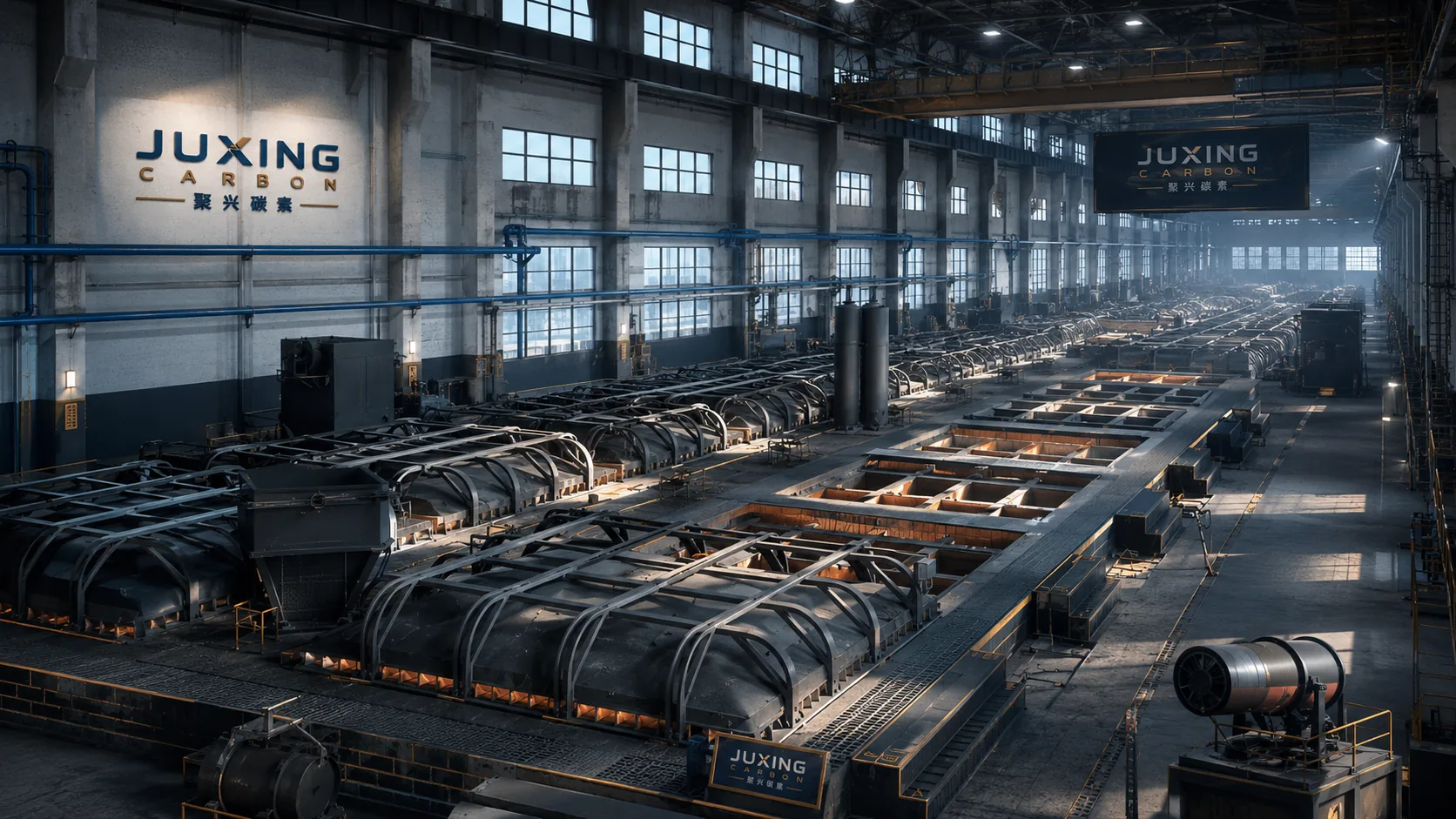
Real Supply Chain
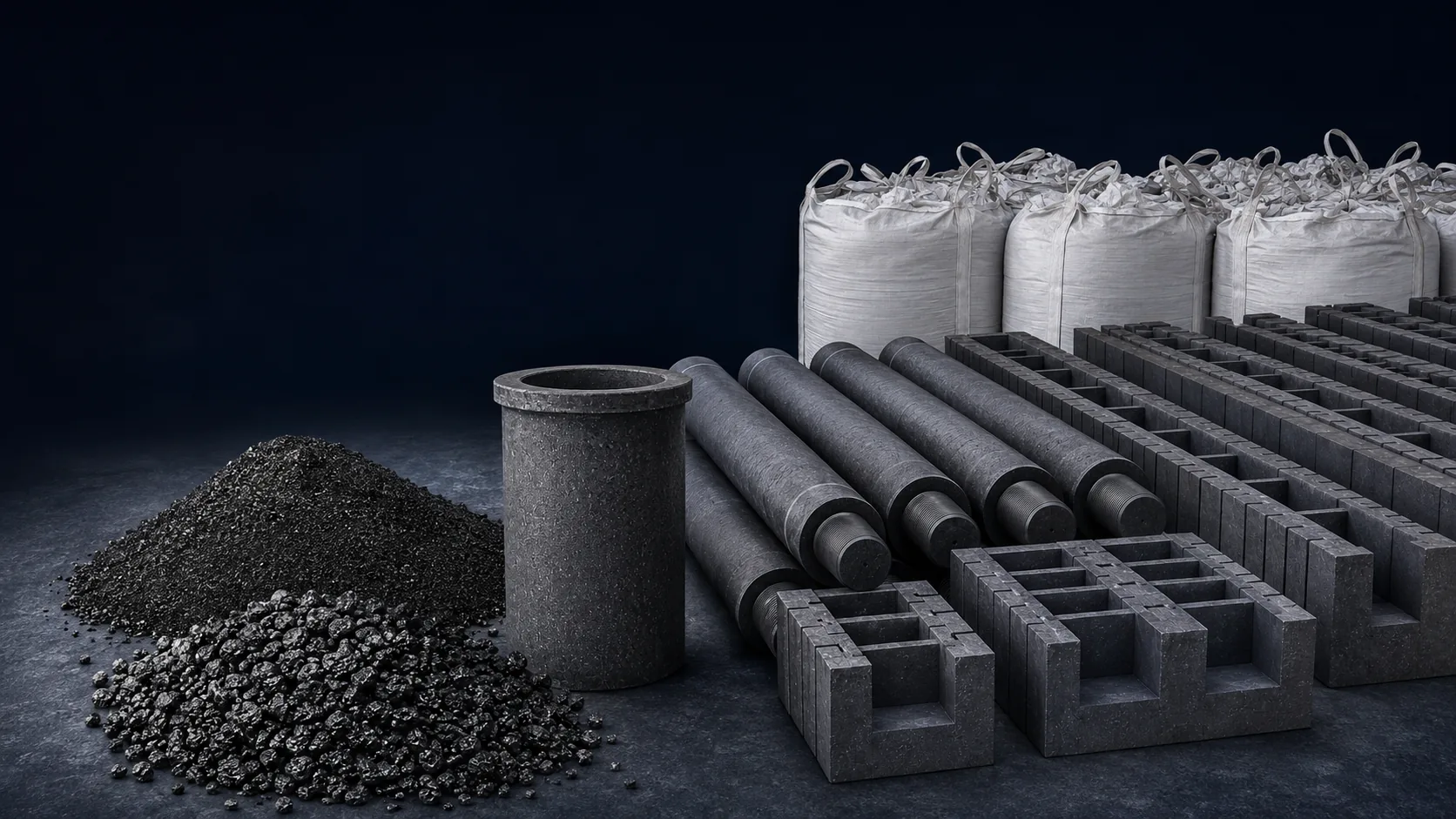
Product FormsGranules, lumps, graphite electrodes and recycled graphite products
Batch StatusFixed carbon, particle size, packing and destination confirmed per batch
Delivery ConditionsBig bags, warehousing, container loading and long-term supply scheduling
From Production Line to Delivery — Supply Capability Visible
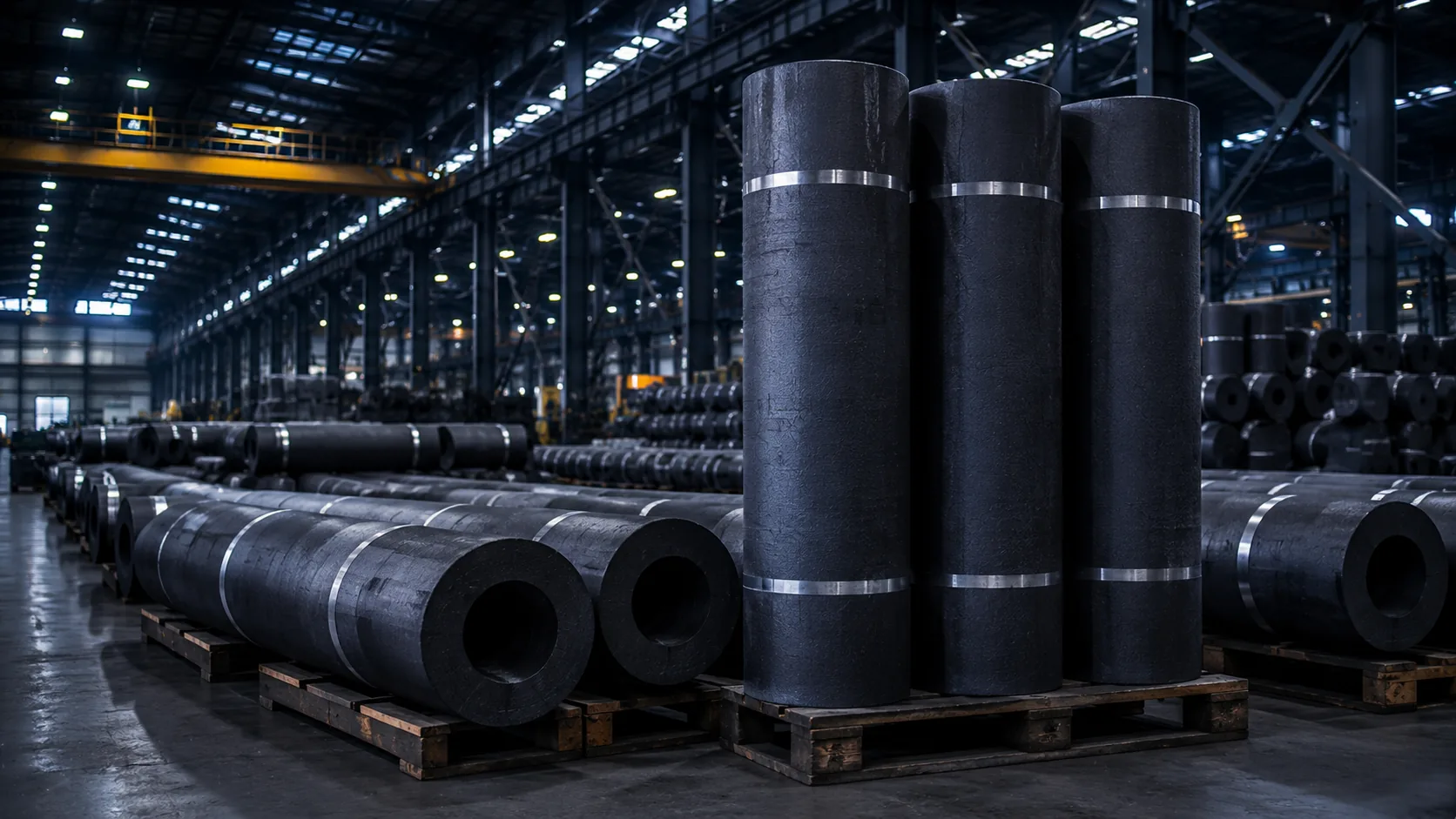
Workshop lines, raw material yards, big-bag packing and application scenes — product forms, batch status, packing methods and delivery conditions are clearly visible.
Product Center
Product Center
CPC calcination, GPC graphitization, graphite electrodes and carbon products, with green coke sourced and graded by batch.
Learn More →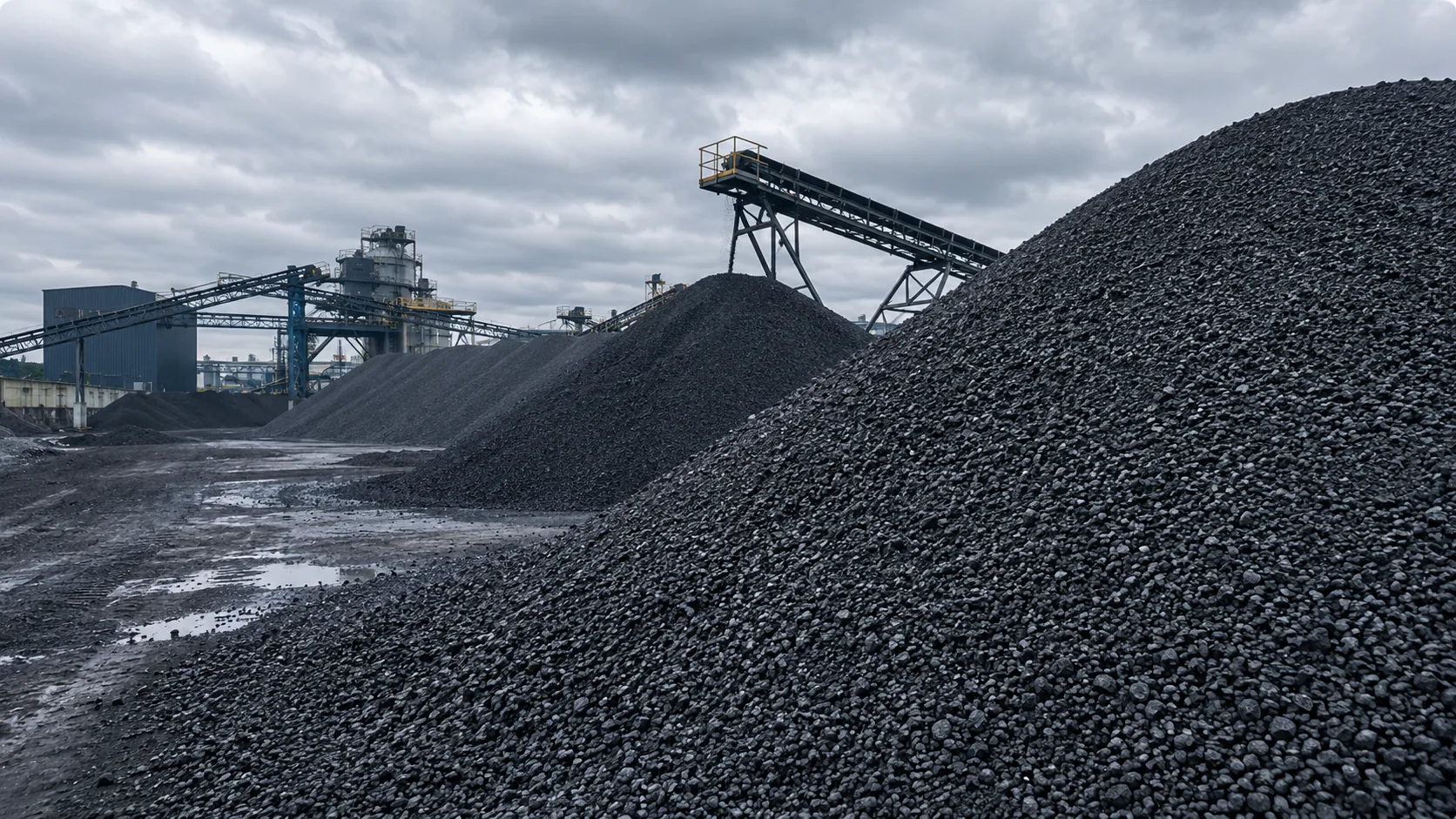
NEWS & LIBRARY
Industry News & Library
Market updates, technical references and buyer knowledge stay separated.
Petroleum Coke
Operating Rate Falls to 56.93%! Supply Tightening Signals Strengthen Behind...
Industry news archive for market movement, supply-demand signals
Petroleum Coke
May Prices Ended on a Volatile Note – Which Factors Will Shape the June Market?
Industry news archive for market movement, supply-demand signals
Market & General
Accelerating Digitalization and Profit Recovery—Where Is the Industry Heading...
Industry news archive for market movement, supply-demand signals
Market & General
Manufacturing Now Accounts for Half of Demand, Reshaping the Logic...
Industry news archive for market movement, supply-demand signals
Market & General
Production Process Flow and Key Control Points
Technical library entry for carbon materials, process control
Carburant & Carbon Products
The Use of Recarburizers in EAF Melting of Gray Iron
Technical library entry for carbon materials, process control
Carburant & Carbon Products
Why Is It Important to Control Carbon, Sulfur, and ... in Recarburizers?
Technical library entry for carbon materials, process control
Graphite Electrodes
Another Type of Electrode Consumption Material
Technical library entry for carbon materials, process control
Specification
How to Read GPC Fixed Carbon
Understand how fixed carbon affects GPC purchasing, batching and RFQ review.
RFQ Fields
What Specifications Are Needed for a GPC Inquiry?
Convert fixed carbon, sulfur, ash, moisture, size and packing into usable RFQ data.
CPC Specs
What Specifications Are Needed for a CPC Inquiry?
Review sulfur, ash, volatile matter, particle size and application notes before inquiry.
Graphite Electrode
What Should Buyers Confirm for Graphite Electrode Inquiries?
Check grade, diameter, length, nipple, packing and furnace requirements.
Why Choose Juxing
Three Differences
Own factory, spec control, and delivery by need — making procurement more stable and clearer.
Own Factory
Not a trader, but a manufacturer. Raw materials, calcining, graphitization, screening and packing under one roof.
Spec Control
Fixed carbon, sulfur, ash, volatile matter and particle size matched to your requirements.
Delivery Planning
From samples and small lots to bulk supply — production and delivery scheduled to match your procurement rhythm.
Procurement Process
From Inquiry to Delivery — Four Steps
From spec confirmation and sample testing to bulk delivery — Juxing Carbon anchors every inquiry to product, batch, packing and delivery terms.
01
Product ConfirmationConfirm product type, application scenario and specification requirements.
02
Spec EvaluationMatch suitable solutions based on fixed carbon, sulfur, ash, particle size and other parameters.
03
Batch MatchingConfirm available batches and shipment scheduling against inventory, production planning and delivery lead times.
04
Submit RFQOnce product requirements are submitted, the sales and technical team will respond promptly.
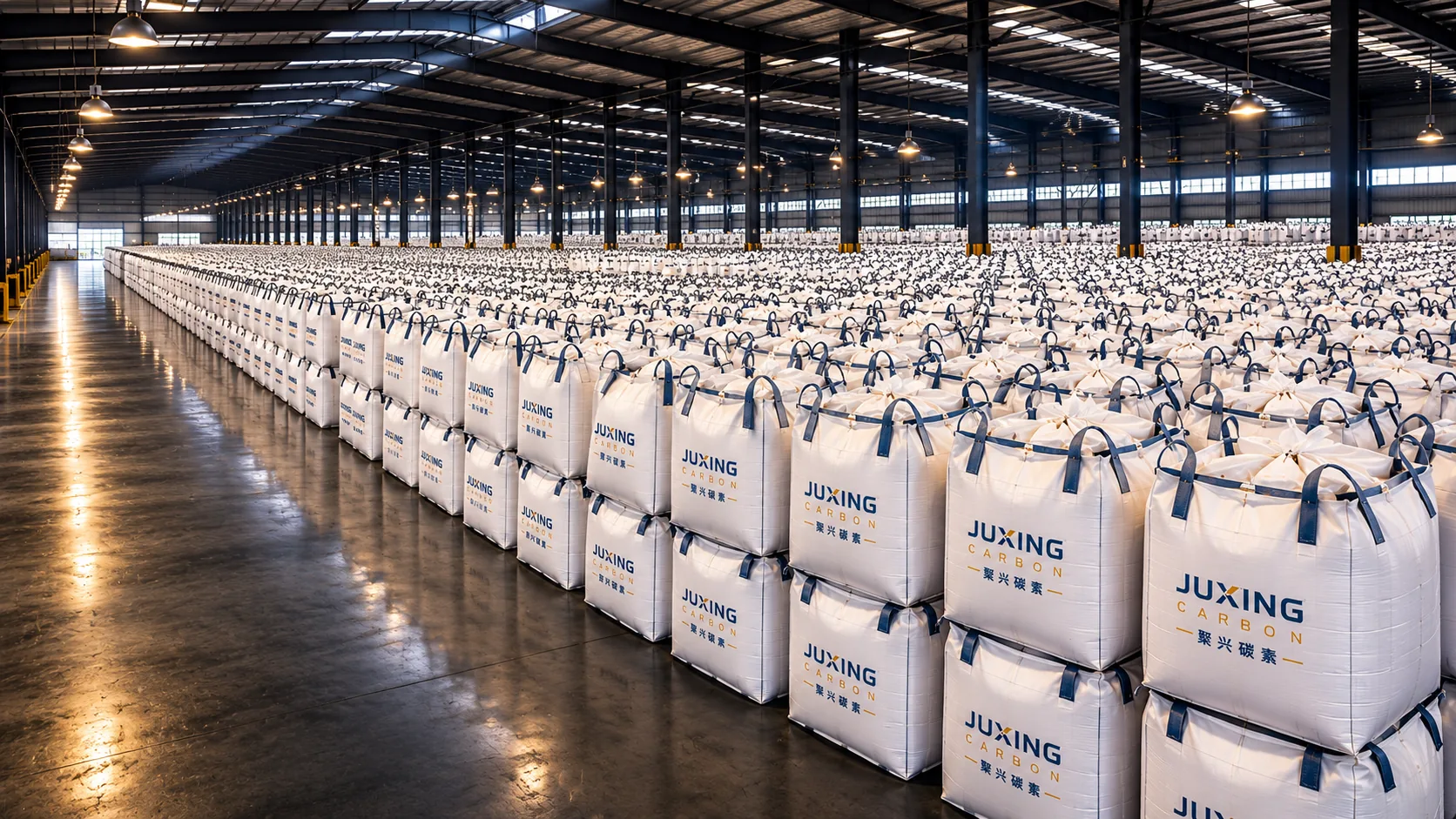
Factory Strength
Factory Strength on One Production Line
From raw materials, calcining and graphitization to screening and packing — key processes owned and controlled in-house.
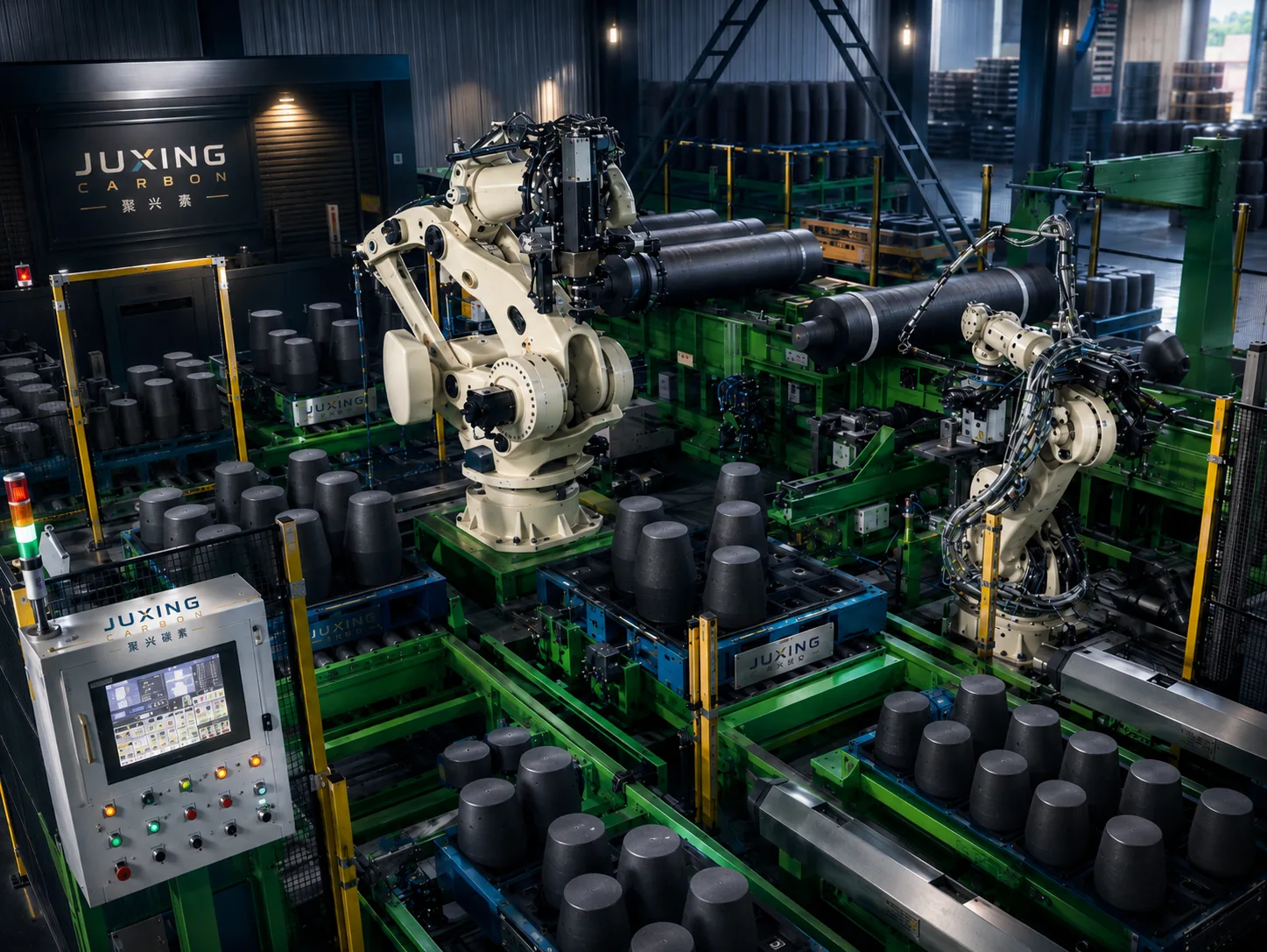
Own Production Base
Key processes in-house
Own Factory
Own production base with stable lines, supporting long-term supply.
Production QC
Staged testing throughout production, strict quality control ensuring batch consistency.
Client Recognition
Serving customers in steel, foundry, carbon materials and other industries.
Application Scenes
Material Decisions
Material Decisions
Start with the Application
Different applications have different requirements for fixed carbon, sulfur, ash and particle size — judge the material starting from its end use.
View Applications →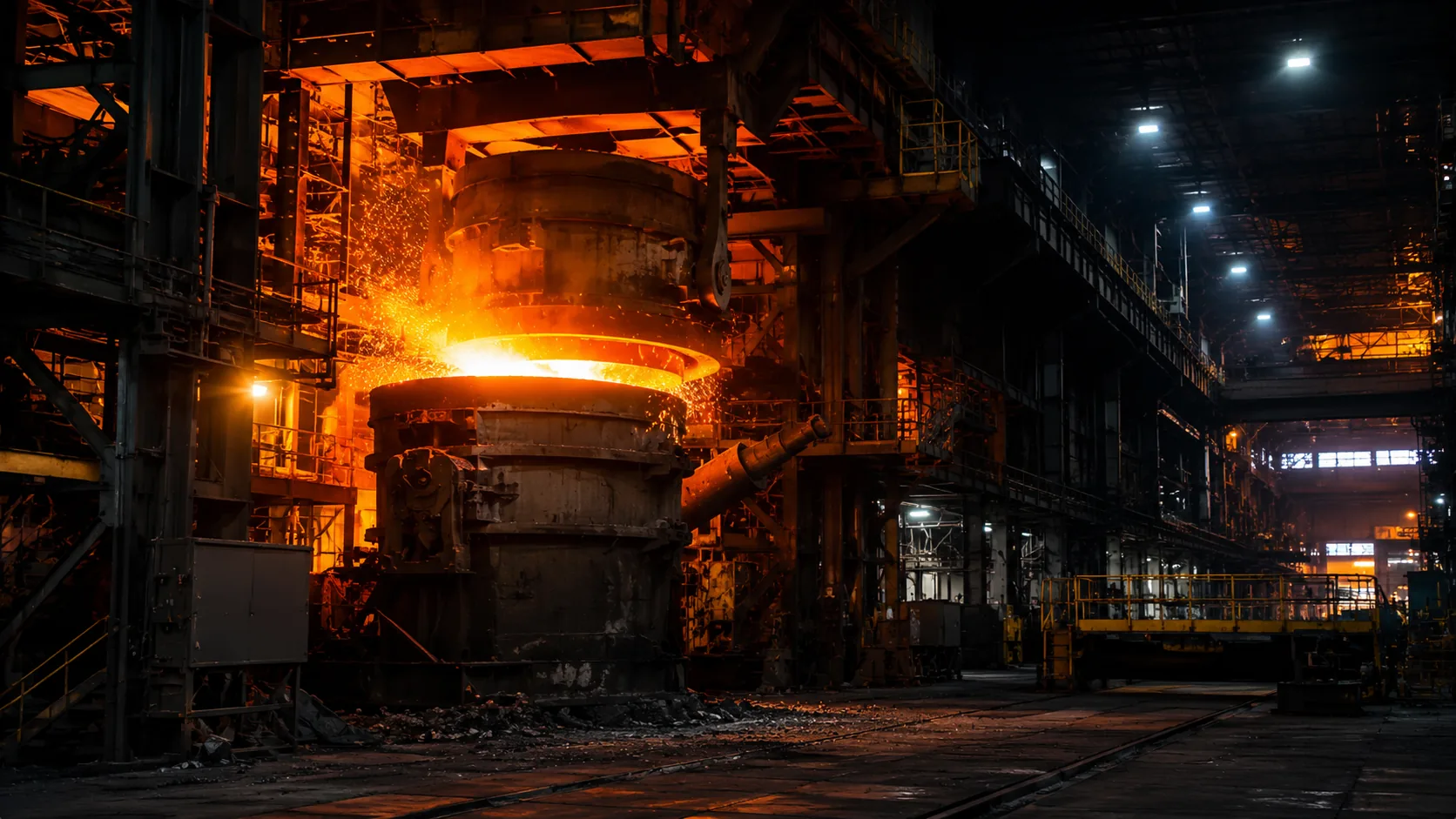
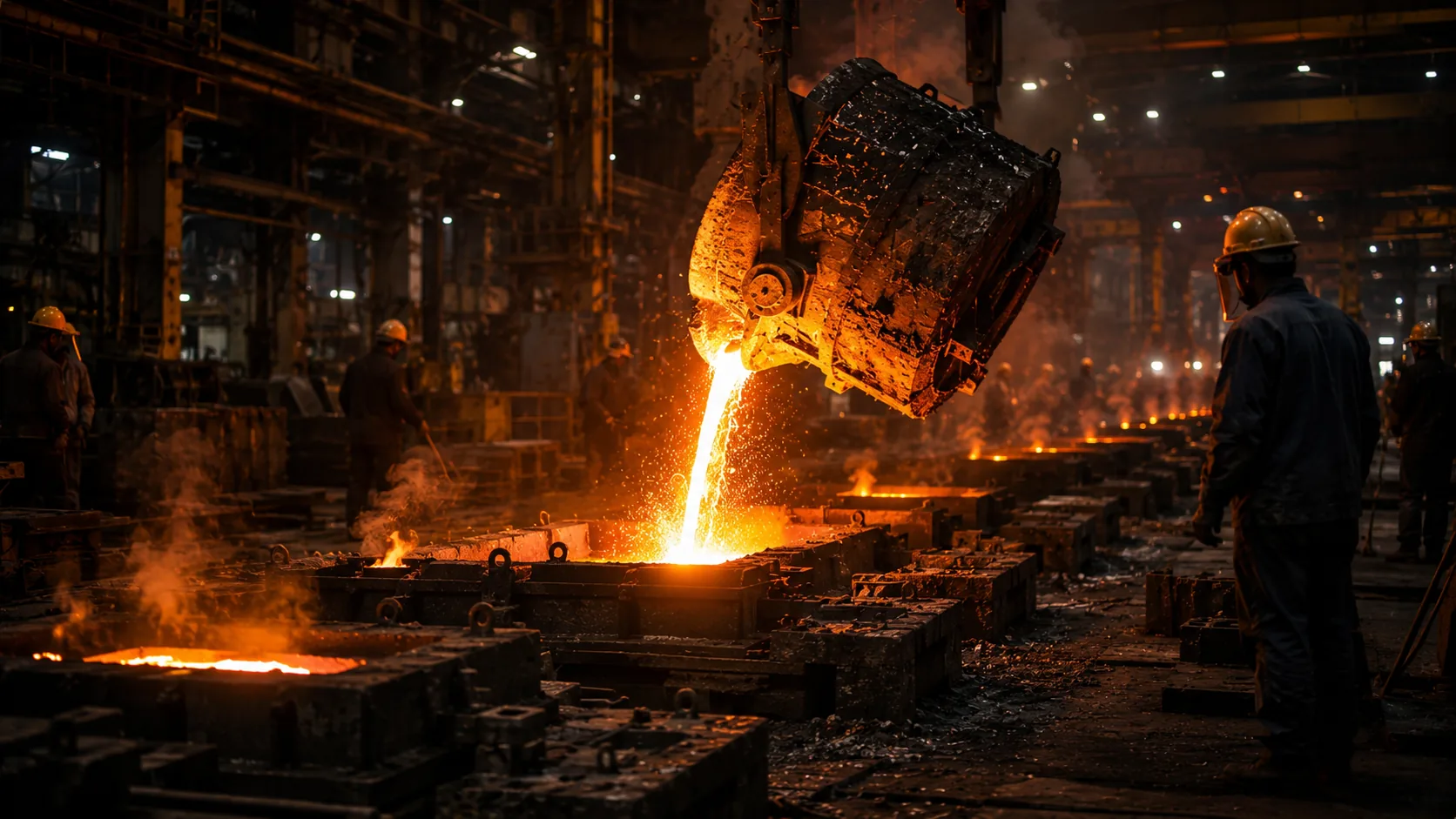
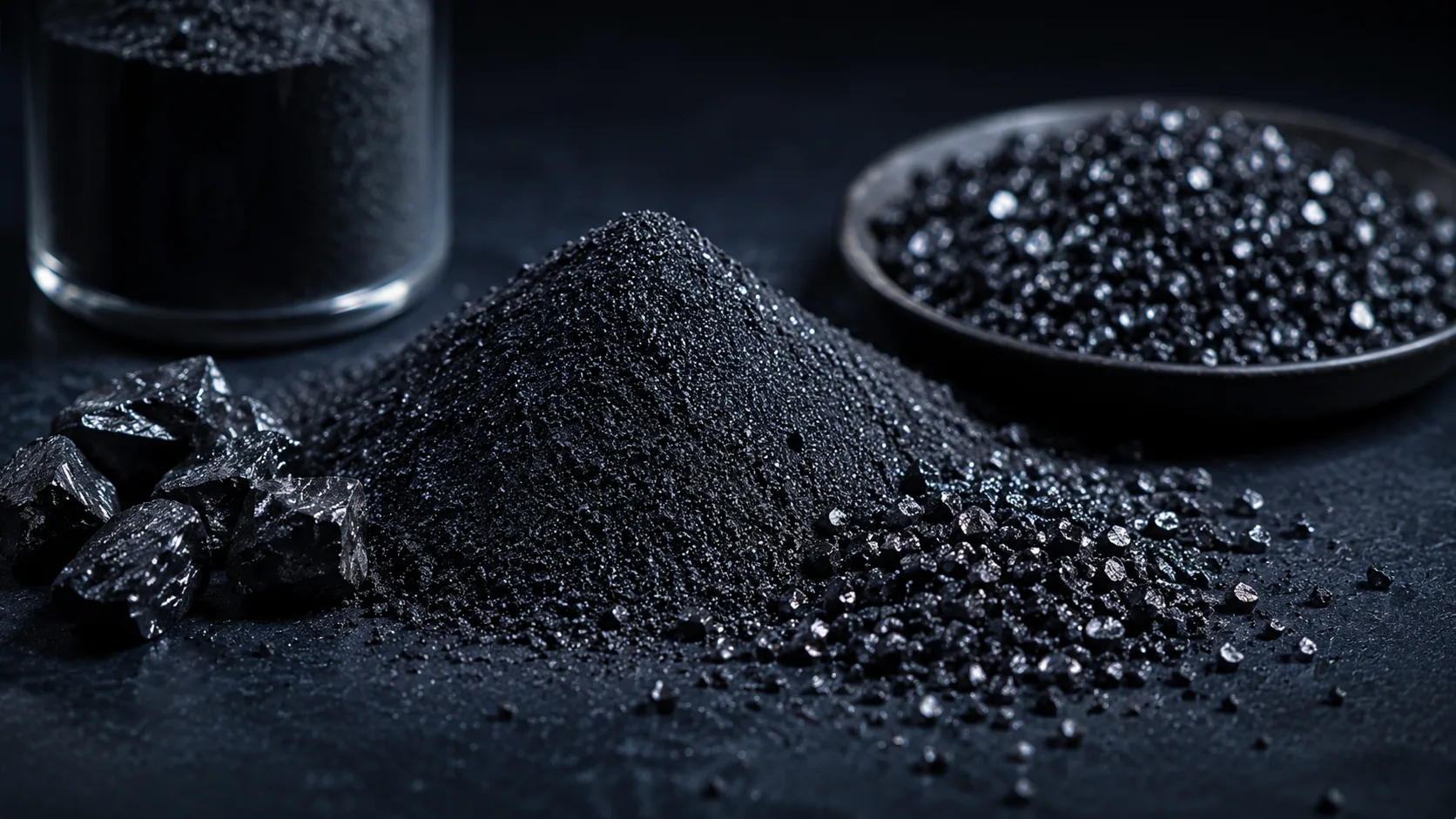
Purchase Knowledge
Knowledge Center →
Carbon Material Purchase Knowledge
Helping buyers quickly understand key specifications for CPC, GPC, graphite electrodes and carbon products.
What is the difference between CPC and GPC?
CPC is calcined petroleum coke, GPC is graphitized petroleum coke. GPC typically has higher fixed carbon and lower sulfur/ash, suitable for applications with stricter impurity requirements.
Why are fixed carbon, sulfur, and ash important?
Fixed carbon affects effective carbon addition; sulfur and ash affect impurity introduction and downstream product stability. These are the core specifications when confirming batches.
What applications is graphitized petroleum coke suitable for?
Graphitized petroleum coke is commonly used in steel recarburizing, foundry work, graphite electrode production, carbon materials and selected anode material applications.
How should particle size be selected for the application?
Different feeding methods and process equipment require different particle sizes. Common sizes include 0-1 mm, 1-3 mm, 1-5 mm, 3-8 mm and 8-25 mm, with custom screening available by order.
Which fields should be checked on a COA report?
Focus on fixed carbon, sulfur, ash, volatile matter, moisture, particle size, batch number and test date to confirm alignment with the purchase specification.
How should big bags, small bags and container loading be selected?
Big bags are typical for larger volumes, small bags can be used for controlled feeding, and export or long-distance shipments should confirm moisture protection, container loading and marking requirements.
?
Contact OnlineDiscuss specifications, packing and delivery details
→