
GPC / Graphitized Petroleum Coke
Start here for fixed carbon, sulfur and particle-size questions.
Product / RFQInsights
Product knowledge is grouped by material route, specification field and RFQ context.
Procurement Path
Material route, specification fields, searchable product sheets and RFQ fields are presented in one procurement path.
Knowledge Finder
Use this hub as a buying decision map before opening individual articles.
Start Here
Start here for fixed carbon, sulfur and particle-size questions.
Product / RFQUse this route for sulfur, ash, volatile matter and aluminum carbon inquiries.
Product / RFQUse this for grade, diameter, length, nipple and furnace matching.
Product / RFQFor recycled graphite, graphite plates, graphite crucible scrap and custom forms.
Product / RFQMarket pages are reference material; final decisions still require current specs and batches.
Product / RFQStart with GPC, CPC, petroleum coke or graphite electrode topic pages, then open the related product page.
Browse product topicsCompare fixed carbon, sulfur, ash, volatile matter, moisture, particle size, packing and destination fields.
Check specification contentAfter reading the topic, send product name, target specs, quantity, packing, destination and use case.
Prepare RFQ
Knowledge Guide
Each article cluster keeps product route, specification focus and RFQ context visible.
Article Library
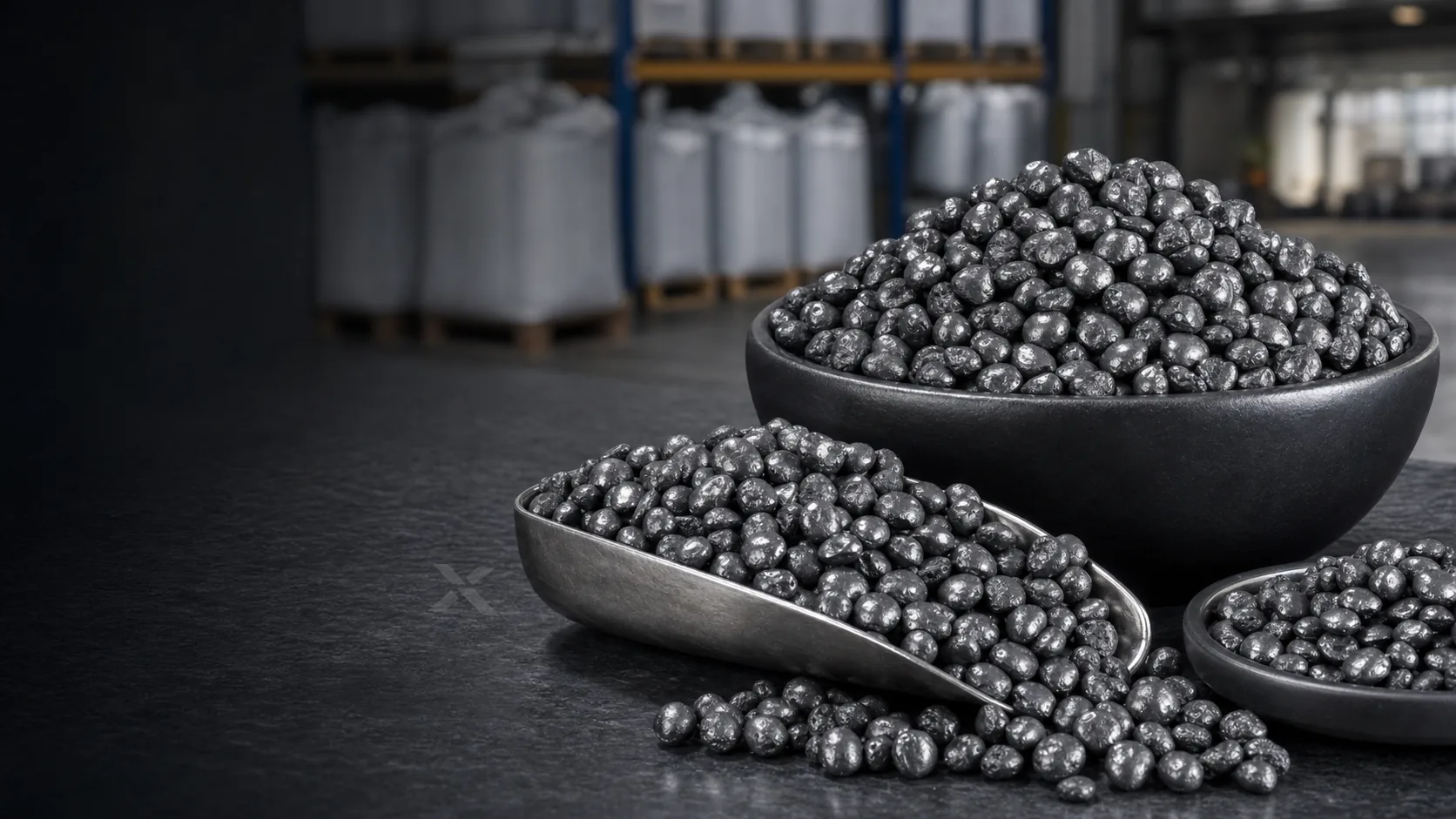
For a useful GPC inquiry, buyers should provide fixed carbon, sulfur content, ash, moisture, volatile matter, particle size, quantity, packing, application and destination. These fields help the supplier check available batches, particle-size options and shipment feasibility before quoting.
Read full article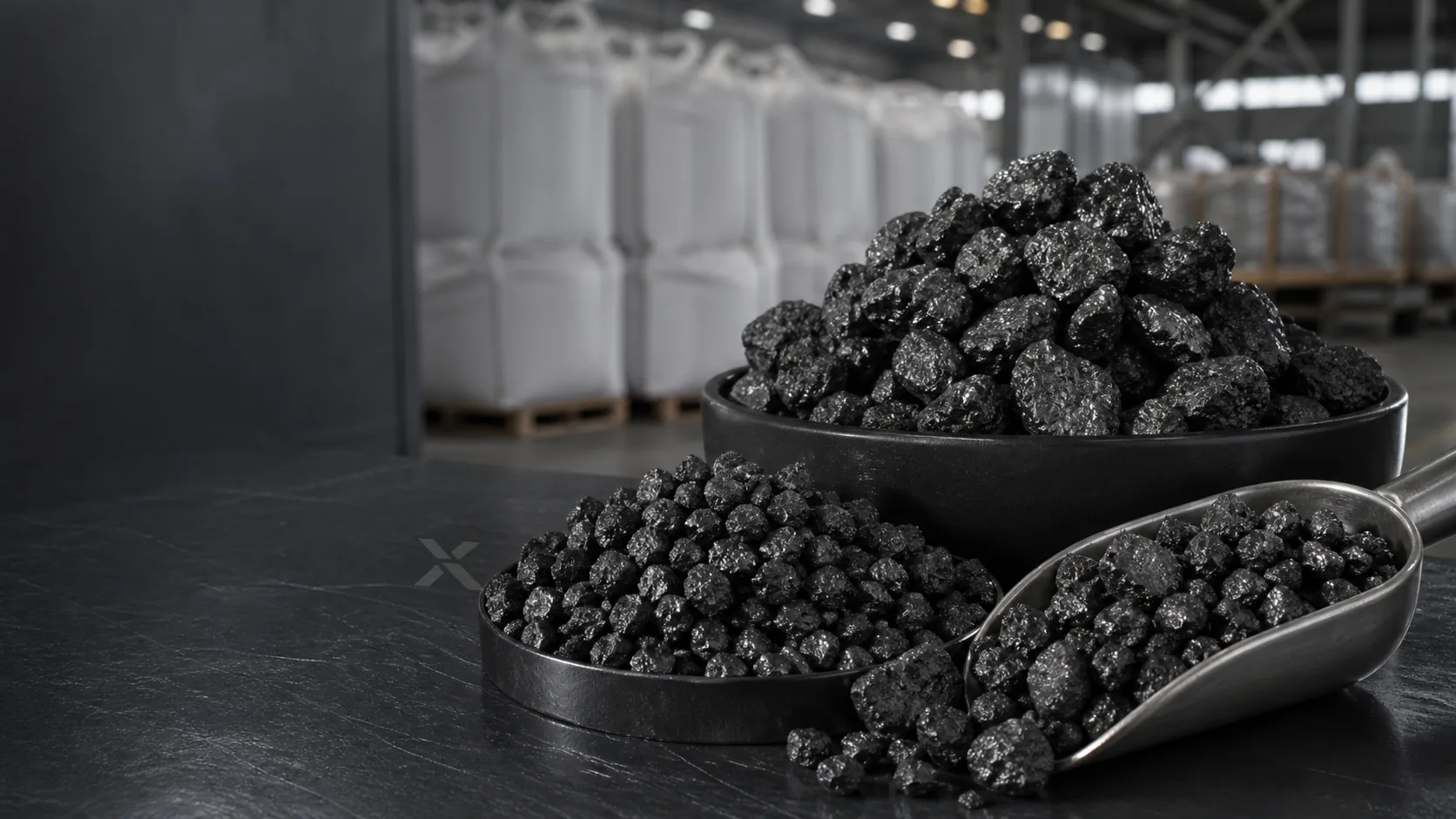
A useful CPC inquiry should include fixed carbon, sulfur content, ash, moisture, volatile matter, particle size, quantity, packing, application and destination. The product name alone is not enough for a practical quote.
Read full article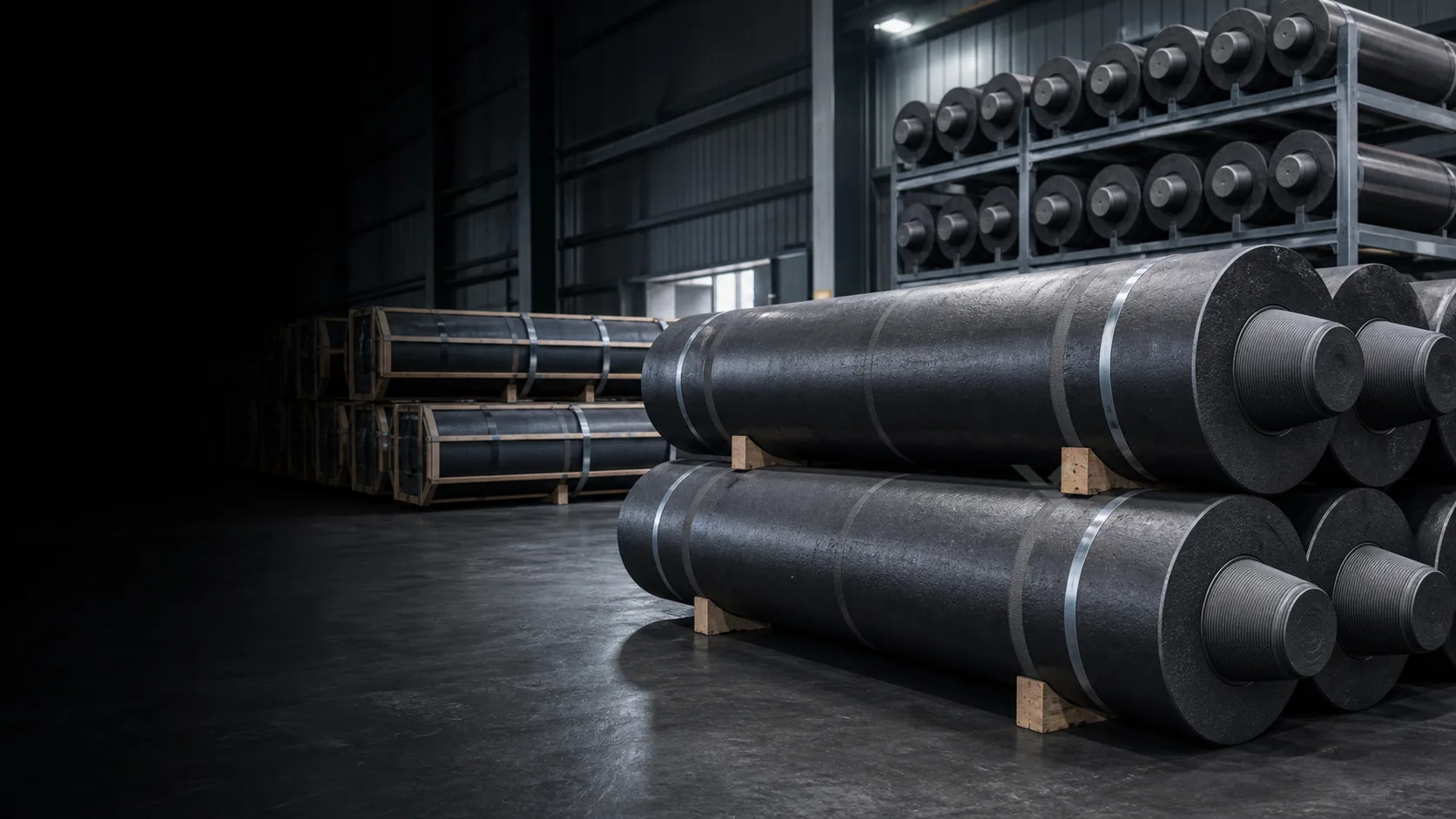
A graphite electrode inquiry should confirm grade, diameter, length, nipple, quantity, furnace type, packing and destination.
Read full article
Market price, export, tariff and supply-demand information can support purchasing judgment, but practical purchasing still depends on product specs, batch, quantity, packing and delivery conditions.
Read full article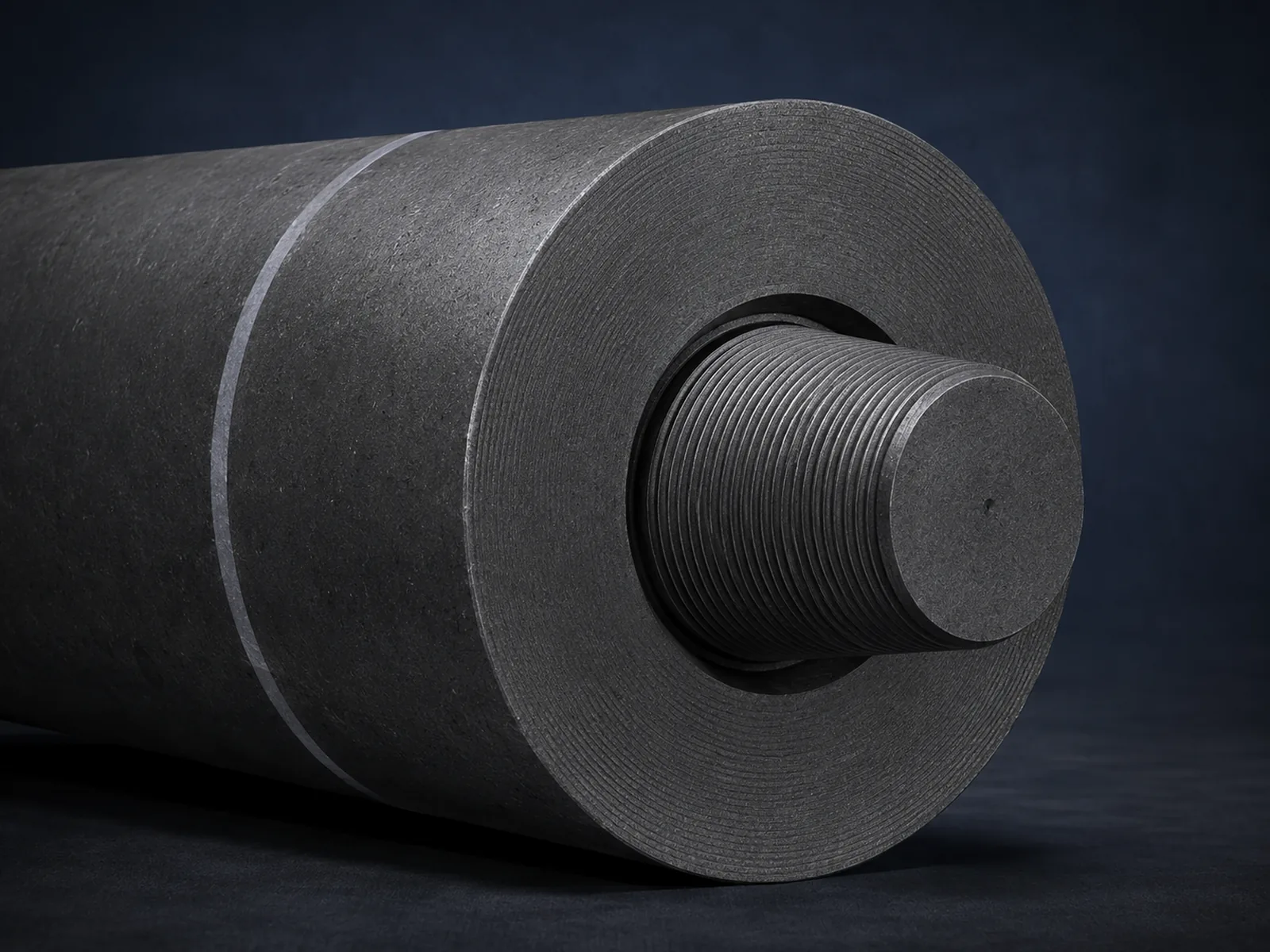
Graphite electrode nipple content from the product site is kept as an insight page. Buyers should confirm electrode grade, nipple size, machining accuracy, packing condition and installation requirements.
Read full article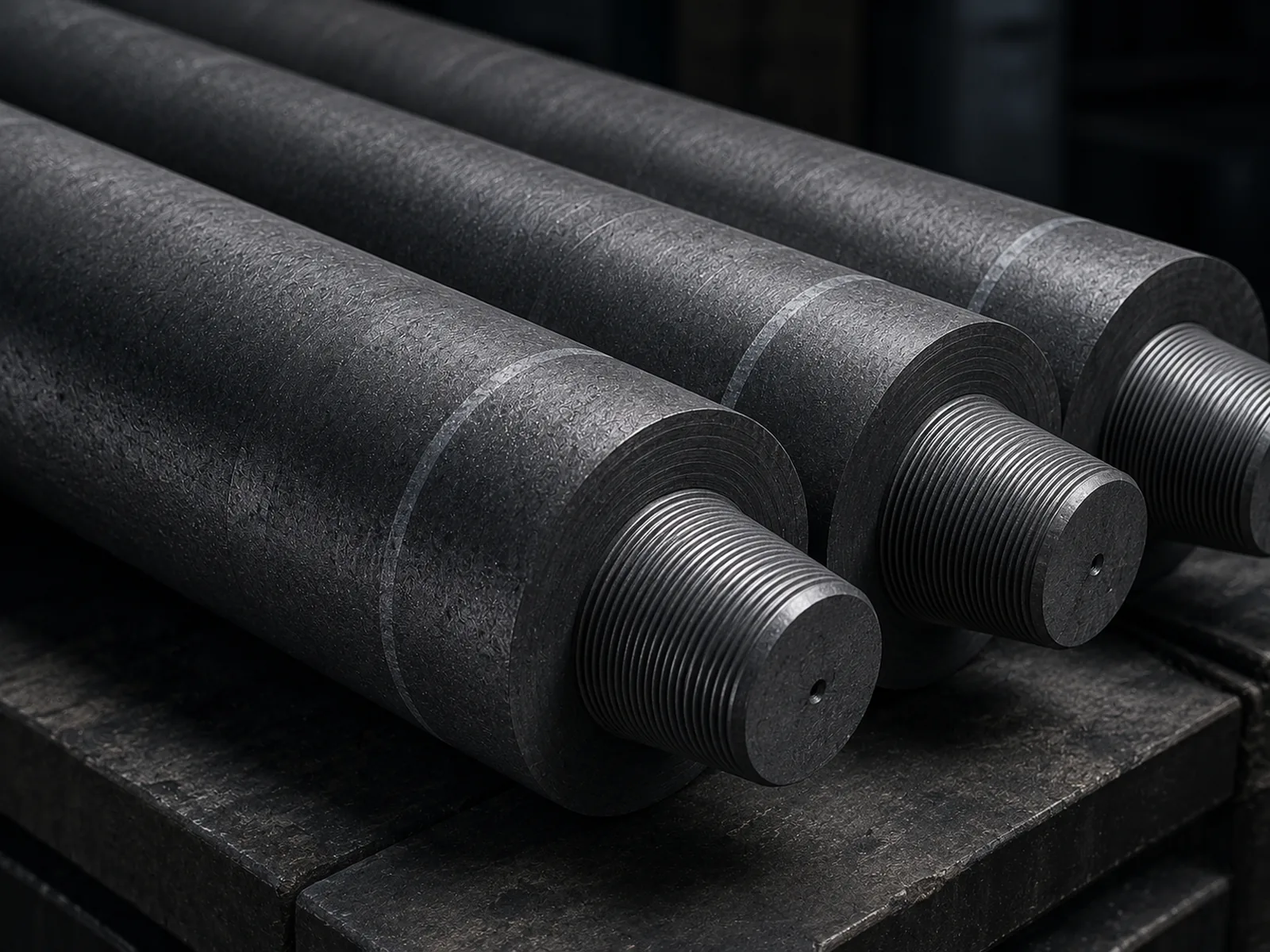
Related production process content helps buyers understand grade, specification and application differences. Practical inquiries still need grade, diameter, length, quantity, nipple and destination.
Read full article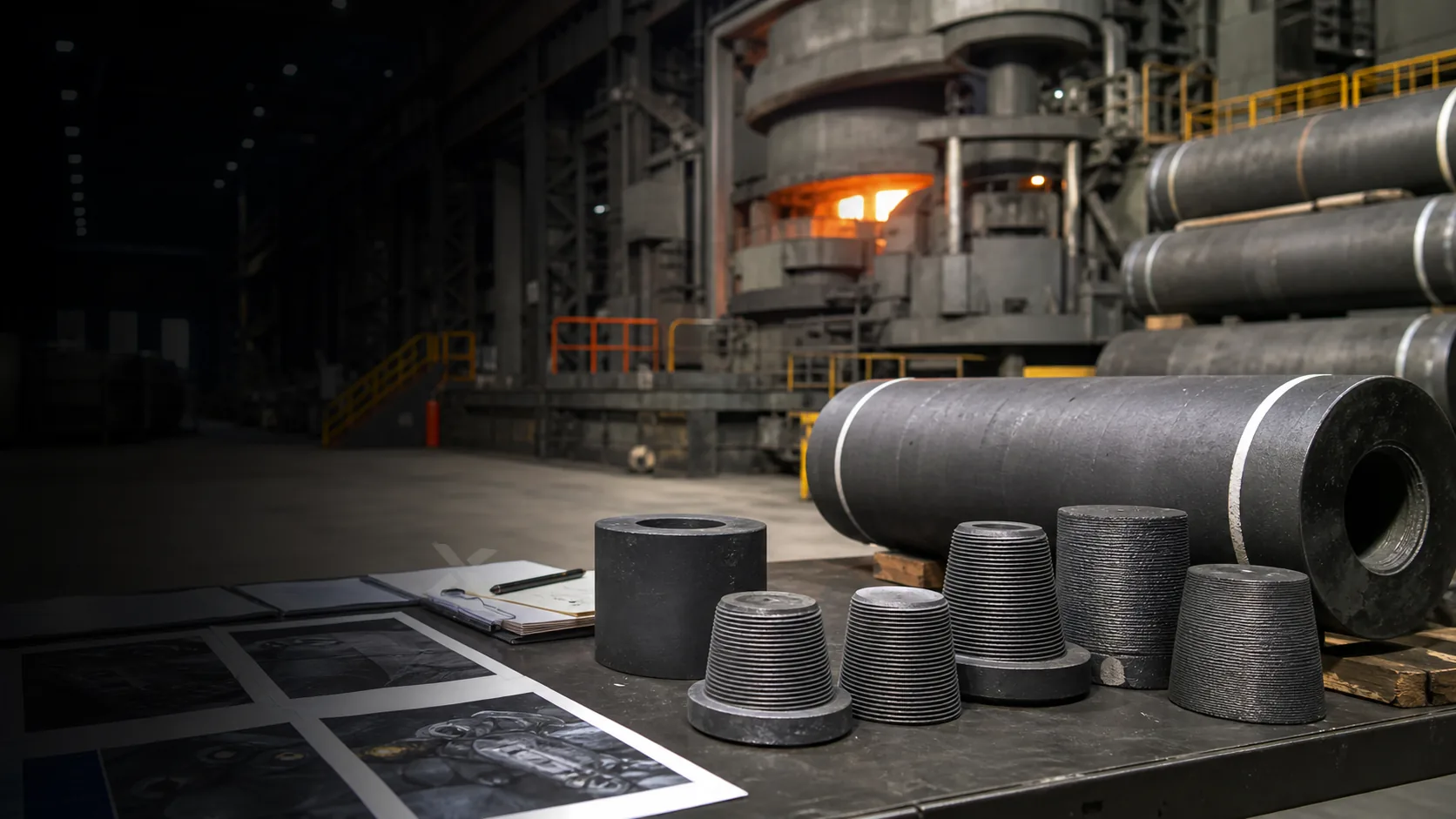
Related abnormal case content should be kept as insight material. When a use issue occurs, buyers should provide electrode grade, furnace type, operation description, photos, batch information and timing.
Read full article
Carbon additive inquiries should be converted into clear CPC, GPC or petroleum coke specification questions. Buyers usually need to review fixed carbon, sulfur, ash, moisture, volatile matter, nitrogen, particle size, furnace type, application, packing and destination.
Read full article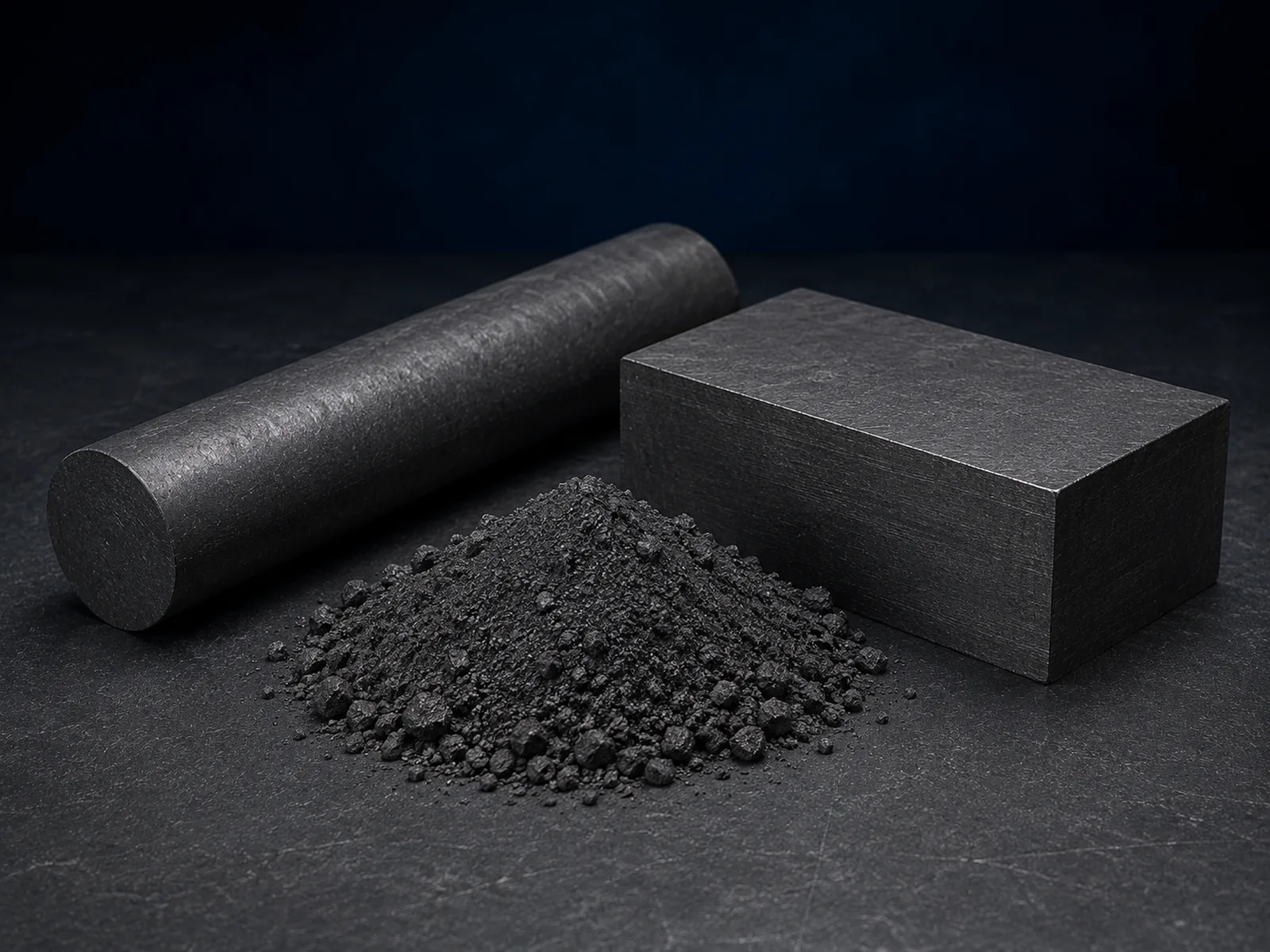
Graphite powder, block, rod, tile, scrap, crucible and mold inquiries should be discussed by material form, size, density, drawing, quantity and application.
Read full article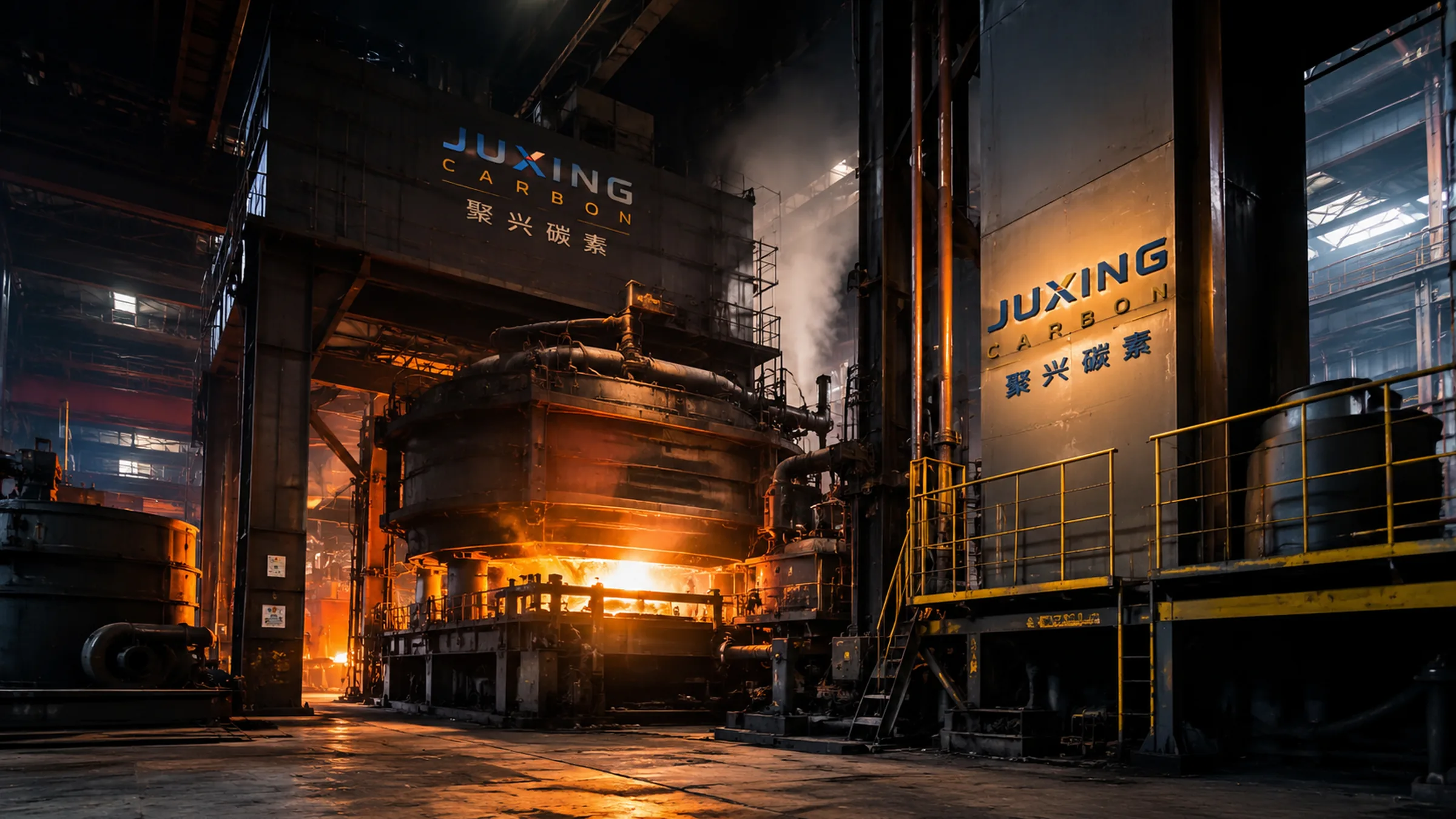
Semi graphitized petroleum coke can be handled within the GPC product family, but buyers should not rely on the name alone. A workable inquiry should include fixed carbon, sulfur content, ash, moisture, volatile matter, particle size, quantity, packing, application and destination.
Read full article
Petroleum coke buyers should not request a quote by product name alone. A useful inquiry should include product direction, fixed carbon, sulfur content, ash, moisture, volatile matter, particle size, application, quantity, packing and destination. If the requirement is CPC or GPC, state the product family clearly and confirm supply by batch specifications.
Read full article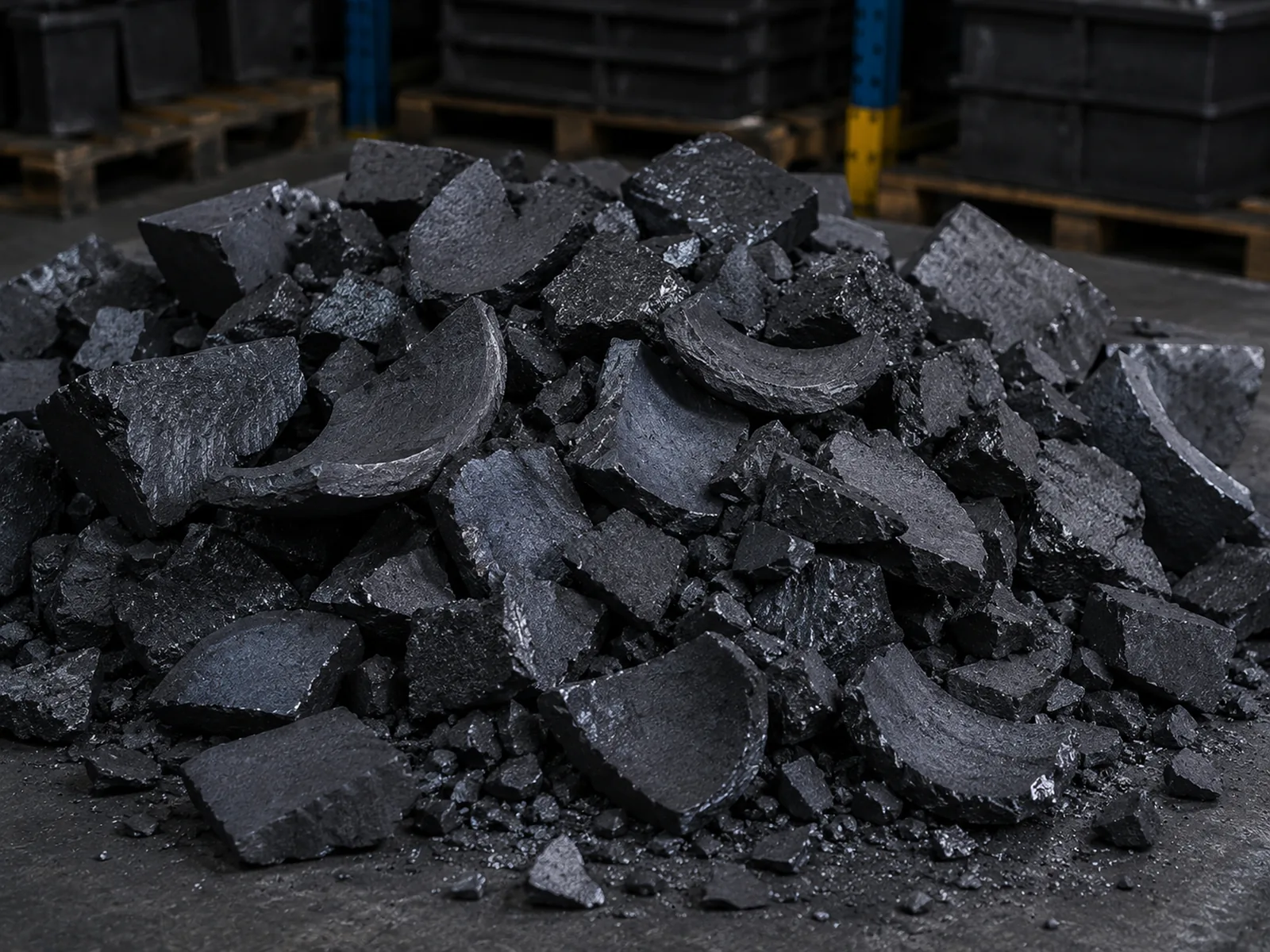
Crushed graphite crucible scrap is mainly discussed for recycled graphite material purchasing, graphite carbon product feedstock and batch-based industrial sourcing. Buyers should confirm material source, impurity level, size or particle size, moisture condition, quantity, packing, batch photos and destination before requesting a quote.
Read full article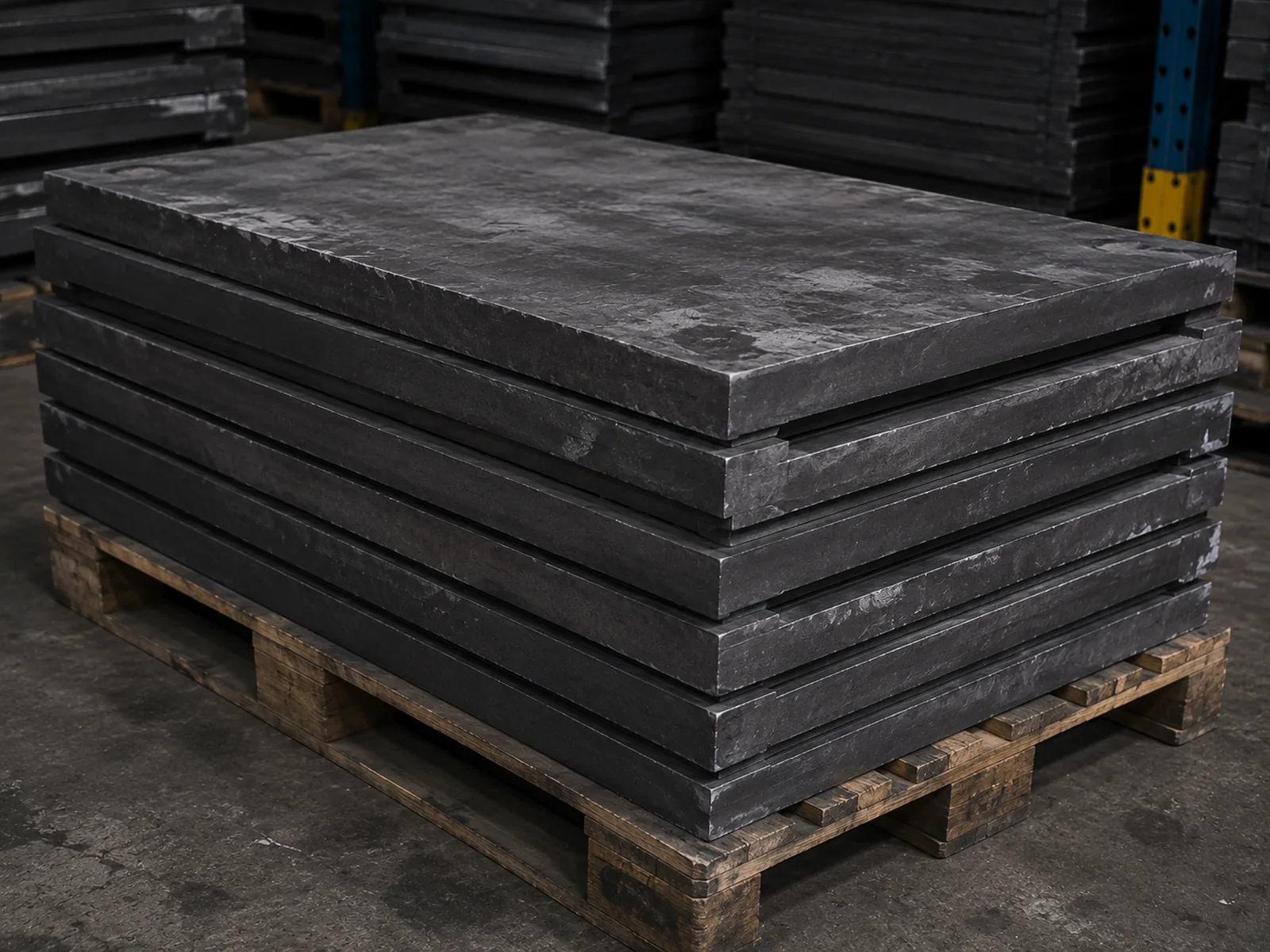
For recycled graphite box plate inquiries, buyers should provide material condition, dimensions, thickness, plate integrity, surface condition, impurities, quantity, packing, batch photos and destination. The product should be discussed by actual batch condition and intended use, not by name alone.
Read full article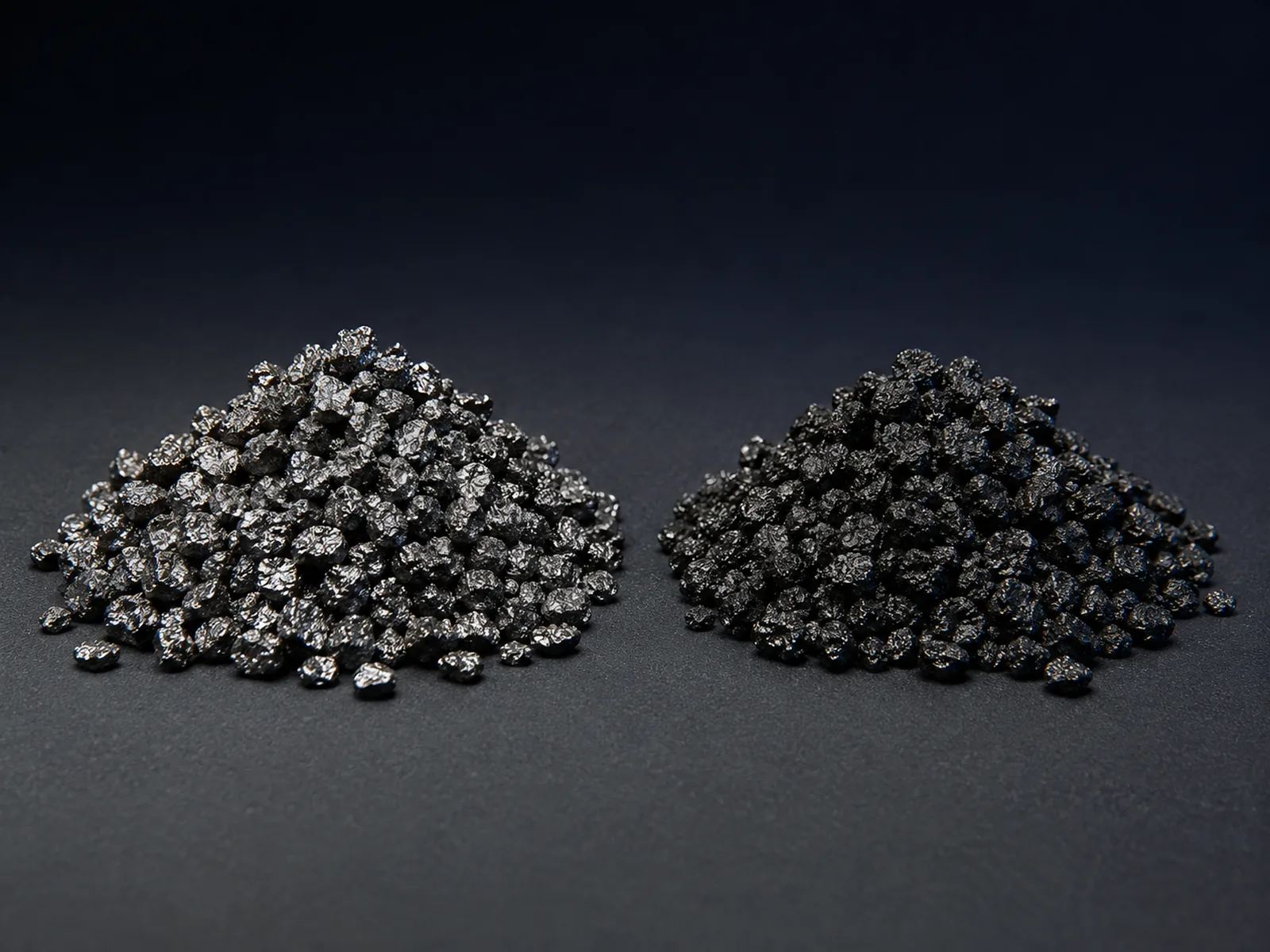
Fixed carbon helps buyers estimate the useful carbon level in GPC, but it should not be read alone. A practical GPC inquiry should also include sulfur content, ash, moisture, volatile matter, particle size, application, quantity, packing and destination so the supplier can match an available batch.
Read full articleProcurement Check
Product specifications, COA fields, packing method and destination terms should be reviewed under the same batch context. Quotation and delivery remain subject to available batch and order confirmation.
Confirm product name, application and target specifications first, then particle size, quantity, packing, destination and expected lead time before batch COA and order terms are reviewed.
Quotation factors normally include fixed carbon, sulfur, ash, sizing, packing, quantity, freight distance and batch condition. Total landed cost should not be judged by unit price alone.
Avoid sending only the product name, missing particle size or packing, or leaving application and destination unclear. Incomplete RFQs slow down specification review and batch matching.