




【Construction Steel】In January, 22 Production Enterprises in China Conducted Output Reduction...

Graphite electrodes are the "lifeline" of EAF steelmaking! As the core material for arc conduction and heating, they feature high conductivity and heat resistance, directly affecting molten steel quality and output. Mastering graphite electrodes means mastering the initiative in EAF steelmaking!
【Construction Steel】In January, 22 Production Enterprises in China Conducted Output Reduction and Maintenance, Affecting Approximately 1.199 Million Tons of Production
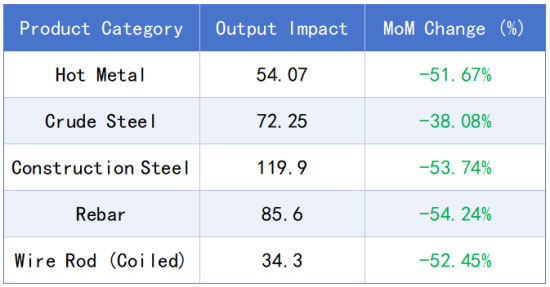
According to research findings, in January a total of 22 construction steel production enterprises across the country carried out output reduction and maintenance, reflecting a decline in number compared with the previous month, down by four enterprises, with the overall production impact narrowing:
Data Source: MySteel
Estimates show that this round of output reduction and maintenance affected 540,700 tons of hot metal production in January, down 51.67% month-on-month; impacted crude steel output by 722,500 tons, down 38.08% month-on-month; and reduced construction steel output by 1.199 million tons, down 52.07% month-on-month. Among this, rebar output was reduced by 856,000 tons, down 54.24% month-on-month; and wire rod output was reduced by 343,000 tons, down 52.45% month-on-month.
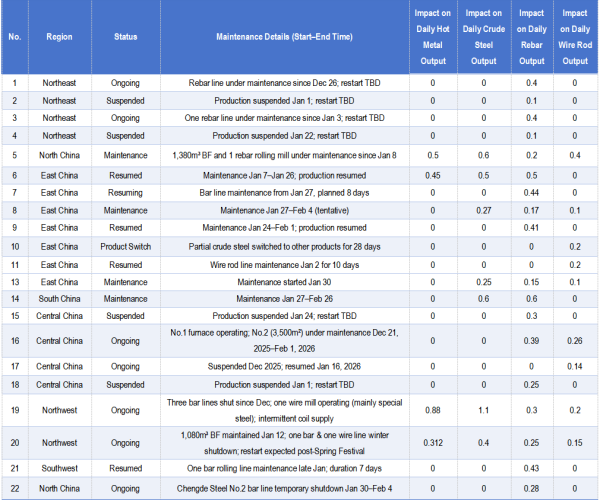
Looking back at January, the national construction steel market operated under a dynamic balance between incremental supply from production resumptions and seasonally weak demand, presenting an overall pattern of "weak fundamental balance with an inventory turning point." The market opened supported by low inventory levels at the end of December; however, as some steel mills resumed production as expected, supply pressure began to emerge slightly. Social inventories officially entered an accumulation phase, and the price support center shifted marginally downward. By observing changes on the supply side, the following provides a brief presentation and analysis from temporal and spatial dimensions.
Time Characteristics: Concentration in Early and Late Month, Continuation of Long Cycles, Moderate Supply Increment
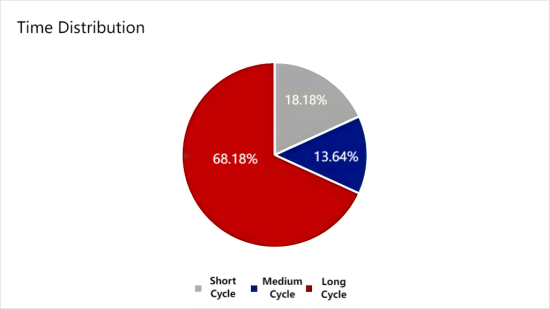
According to the survey, maintenance progress among construction steel producers in January was concentrated in the first and last ten days of the month, with 11 enterprises in early January, 10 in late January, and only one in mid-January. From a cycle perspective, 15 enterprises carried out maintenance lasting more than 30 days, three were mid-term, and four were short-term. Long-cycle output reduction maintenance in this round remained relatively stable, but its degree of supply impact has somewhat decreased. The proportion of short-cycle maintenance increased slightly. Under the combined influence of multiple factors, the market entered an inventory accumulation phase amid a slight increase in supply.
Spatial Characteristics: Increased Maintenance in East China, Northern Region Remains the Main Force
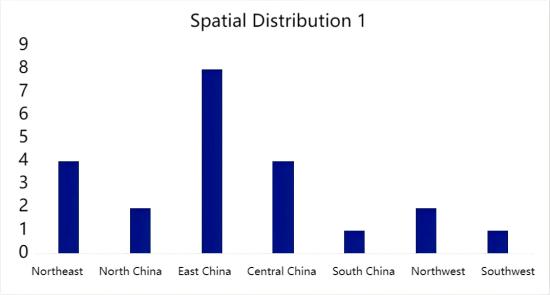
Steel industry maintenance exhibited distinct regional characteristics. Maintenance activities accelerated in southern regions. As a key production and consumption hub, East China saw eight enterprises implement concentrated output reductions, cutting production by 267,000 tons, mostly through short-cycle maintenance, temporarily easing regional supply pressure.
In northern regions, maintenance impacted 665,600 tons of output, mostly through long-cycle maintenance, remaining the main force behind output reductions. Both Northeast and Central China had four steel mills entering maintenance. In the Northeast, long-cycle maintenance exceeding 30 days accounted for a relatively high proportion, affecting 281,000 tons of output. In Central China, maintenance affected 216,400 tons of production.
Maintenance Logic: Proactive Response Under Dual Supply and Demand Pressures
January maintenance was an inevitable choice under the dual squeeze of supply and demand. On the one hand, rainy and snowy weather combined with the approaching Spring Festival led to project shutdowns and wrap-ups at the terminal end, with rebar demand falling sharply month-on-month, pushing steel mills to the edge of marginal profit or even losses. On the other hand, electric arc furnace (EAF) mills, leveraging their production flexibility, became the main force in proactive output reductions. They initiated pre-holiday maintenance in advance to reduce finished product inventory accumulation and lower the capital occupation caused by elevated raw material costs. This represents phased capacity clearance under market-based adjustments, avoiding concentrated post-holiday selling pressure that could impact market prices.
Looking ahead to February, affected by the Spring Festival holiday, steel supply is expected to exhibit characteristics of "concentrated shutdowns of short-process production and moderate maintenance of long-process production." Specifically, short-process steel mills, constrained by limited scrap recovery and labor shortages, will mostly suspend production in early February and generally plan to resume production around the Lantern Festival. Long-process steel mills will maintain a certain level of production, but due to profit compression, the pace of production resumption may be relatively slow. At present, the short-term market has entered a phase of "prices quoted but limited transactions," with spot price fluctuations remaining limited.
After the Spring Festival, close attention should be paid to the pace of capacity release from steel mill production resumptions and the actual commencement rate of downstream projects. On the one hand, if steel mills resume production faster than the progress of downstream project starts, inventory pressure will shift from mills to circulation channels, intensifying post-holiday price competition. On the other hand, fluctuations in precious metals and non-ferrous metal prices at the macro level may influence the ferrous market through sentiment transmission. Meanwhile, as the opening year of the 15th Five-Year Plan, the market holds relatively strong expectations for the introduction of pro-growth and development-stabilizing policies. Post-holiday price trends will still rely on macro sentiment drivers.
Feel free to contact us anytime for more information about the EAF Steel market. Our team is dedicated to providing you with in-depth insights and customized assistance based on your needs. Whether you have questions about product specifications, market trends, or pricing, we are here to help.
No related results found




0 Replies